


Analysis of Trade Negotiations and Cooperation Opportunities at Exhibitions
Jan 15, 2026
Leave a message

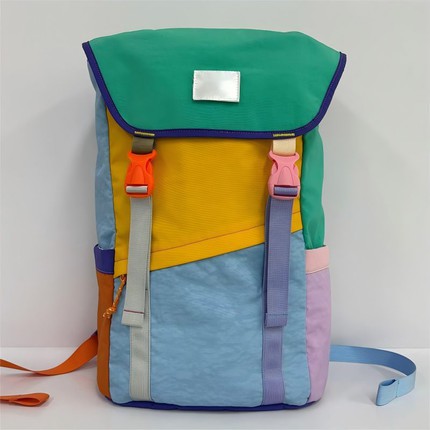
Analysis of Trade Negotiations and Cooperation Opportunities at Exhibitions
Driven by intensifying global competition and continuous industrial transformation, exhibitions have evolved from simple product display platforms into comprehensive business hubs integrating information exchange, resource matching, and trade negotiations. For China's luggage and bags industry-which accounts for nearly 70% of global production-trade negotiations at exhibitions have become a critical pathway to break through traditional relationship-based business models, overcome trust barriers, identify cooperation opportunities, and expand international markets.
This article, based on the characteristics of the luggage and bags sector, analyzes the core value of exhibition-based trade negotiations, explores diversified cooperation opportunities surrounding products such as travel luggage, travel suitcases, travel backpacks, rucksacks, travel trolley bags, and travel luggage bags, and proposes optimization strategies to help enterprises better capture exhibition-driven business opportunities.
I. Core Value of Exhibition Trade Negotiations: Building an Efficient Connection Platform
The unique advantage of exhibitions lies in bringing together supply and demand sides, upstream and downstream partners, and industry experts within the luggage and bags ecosystem. Manufacturers, brand owners, distributors, cross-border e-commerce sellers, and service providers can efficiently connect in one centralized space-an efficiency unmatched by traditional business channels.
1. Reducing Information Asymmetry
Through on-site displays of travel suitcases, travel luggage bags, multifunctional travel backpacks, rucksacks, and travel trolley bags, exhibitors can clearly demonstrate their product strengths, including lightweight materials, durability, smart locks, and sustainable designs. Meanwhile, enterprises can observe competitors' innovations and understand global market trends such as eco-friendly luggage, intelligent travel luggage, and functional backpacks.
This two-way information exchange enables both parties to quickly establish a mutual understanding, laying a solid foundation for cooperation.
2. Accelerating Trust Building
Trust remains a cornerstone of cooperation in the luggage and bags industry. Face-to-face trade negotiations at exhibitions allow buyers to assess product craftsmanship, production capabilities, and compliance standards firsthand. Compared with online communication, in-person interaction significantly reduces concerns over quality control, delivery reliability, and payment security-especially for bulk orders of travel luggage and travel suitcases.
3. Achieving Precise Resource Matching
Professional exhibitions often categorize exhibitors by product type and industrial segment, such as travel backpacks, rucksacks, luggage and bags accessories, and finished travel trolley bags. This structured layout enables exhibitors to quickly identify potential partners and avoid inefficient resource allocation, leading to more accurate and productive negotiations.
II. Diverse Cooperation Opportunities at Exhibitions: From Transactions to Full-Chain Collaboration
Trade negotiations at exhibitions extend far beyond simple buying and selling. They offer a wide range of cooperation opportunities across the entire value chain.
1. Direct Trade Cooperation
This is the most common form of cooperation, including procurement and sales agreements for travel luggage, travel suitcases, and travel luggage bags. Retailers, importers, and cross-border e-commerce sellers often secure seasonal or long-term supply contracts during exhibitions, ensuring stable market supply.
2. Technology and Product Development Cooperation
Exhibitions showcase the latest innovations in the luggage and bags industry. Enterprises can explore joint R&D opportunities in areas such as lightweight materials, smart travel luggage, and ergonomic travel backpacks and rucksacks, helping partners reduce development costs while enhancing product differentiation.
3. Industrial Chain Synergy
With increasing specialization, collaboration across the supply chain has become essential. Exhibitions enable raw material suppliers, accessory manufacturers, luggage factories, and logistics providers to establish integrated cooperation systems-from material sourcing to global delivery of travel trolley bags and travel luggage.
4. Market Expansion Cooperation
For enterprises aiming to enter new markets, exhibitions provide direct access to local distributors, agents, and e-commerce platforms. By cooperating with regional partners, luggage brands can localize their travel luggage and backpacks to meet regional consumer preferences and regulatory requirements.
5. Brand and Marketing Cooperation
Exhibitions also serve as platforms for brand collaboration. Joint branding, co-branded products, and cross-industry partnerships-such as combining fashion brands with travel suitcases or travel backpacks-help enhance brand visibility and expand market influence.
III. Key Factors Influencing Cooperation Success at Exhibitions
Despite abundant opportunities, successful cooperation depends on several critical factors:
Pre-exhibition preparation, including product positioning, professional presentation of luggage and bags, and staff training
Negotiation strategy, focusing on understanding partner needs rather than price competition alone
Core competitiveness, such as production capacity, quality control, compliance standards, and innovation in travel luggage and rucksacks
Timely post-exhibition follow-up, transforming initial interest into confirmed cooperation through efficient communication
IV. Strategies to Improve Trade Negotiation Efficiency and Conversion
To maximize exhibition outcomes, luggage enterprises should:
Select exhibitions strategically and prepare clear product documentation for travel suitcases, travel luggage bags, and travel backpacks
Adopt a demand-oriented negotiation approach, highlighting how cooperation creates value for partners
Strengthen core competitiveness, especially in sustainability, smart design, and customization
Establish efficient follow-up mechanisms to ensure timely response and cooperation conversion
V. Conclusion
Trade negotiations and cooperation opportunities at exhibitions are vital drivers for the transformation and upgrading of the luggage and bags industry. By leveraging exhibitions to showcase travel luggage, travel suitcases, travel backpacks, rucksacks, and travel trolley bags, enterprises can connect with global markets, integrate resources, and shift from OEM manufacturing to brand-driven innovation.
As exhibition formats continue to evolve, luggage and bags enterprises that proactively embrace these platforms will gain stronger competitiveness and unlock broader cooperation opportunities in the global marketplace.