


Social Media Marketing Strategies for Travel Luggage Brands
Jan 14, 2026
Leave a message
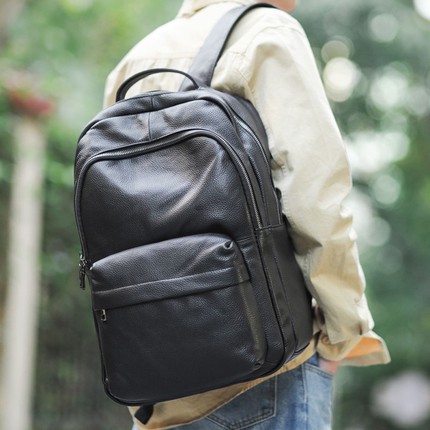

Social Media Marketing Strategies for Travel Luggage Brands
With continuous consumption upgrades and the sustained growth of global travel demand, competition in the travel luggage industry has intensified significantly. Industry data shows that by 2025, the number of luggage and bags brands operating in China's e-commerce market has exceeded several thousand, with online channels contributing over 62% of total sales. Among these channels, social media has become the core battlefield for brand exposure, consumer engagement, and conversion growth.
Unlike traditional marketing models, social media platforms offer strong interactivity, rapid dissemination, and precise targeting, providing diversified marketing pathways for brands specializing in travel luggage, travel suitcases, and travel backpacks. This article explores effective social media marketing strategies for travel luggage brands from four key dimensions: platform-focused positioning, content value creation, interactive engagement systems, and data-driven optimization.
1. Precision Positioning: Aligning Platforms with Target Audiences
Different social media platforms vary significantly in user demographics and content ecosystems. Travel luggage brands must align platform selection with brand positioning and target audiences to achieve precise reach rather than blind coverage.
For brands targeting younger consumers, visually driven platforms such as TikTok and Xiaohongshu should serve as core channels. TikTok's short-video format allows brands to showcase product details creatively, such as lightweight material testing, multi-scenario adaptability, and stylish outfit pairings. These formats are particularly effective for promoting travel trolley bags and multifunctional travel luggage bags.
Xiaohongshu, known for its strong "product seeding" culture, is highly trusted for reviews and scenario-based experiences. Brands can launch interactive topics like "My Travel Suitcase Essentials" or "Best Travel Backpack for Weekend Trips," encouraging users to share authentic experiences and generate organic word-of-mouth exposure.
For business travelers and mature consumers, platforms such as WeChat, Weibo, and LinkedIn are more suitable. WeChat's ecosystem integrates content, social interaction, and transactions, enabling brands to publish in-depth content such as brand stories, product launches, and travel tips, while seamlessly connecting to mini-program purchases. This approach is particularly effective for premium travel luggage and business-oriented travel suitcases.
For cross-border luggage and bags brands, global platforms such as Instagram and TikTok play a critical role in expanding overseas markets. International case studies show that integrated creator collaborations and video shopping campaigns can significantly improve brand awareness and return on ad spend.
2. Content First: Building Emotional Resonance and Brand Value
Content lies at the heart of social media marketing. Travel luggage brands must go beyond basic product displays and focus on storytelling and emotional connections to convey brand value.
Scenario-Based Content
Travel luggage products are used across multiple scenarios, including business trips, leisure travel, commuting, and outdoor adventures. Brands can create content around themes such as "Travel Suitcase Packing Tips," "How to Choose the Right Travel Luggage Bag for Short Trips," or "Business Travel Backpack Recommendations." This approach directly links product features to real consumer needs.
Brand Storytelling
Modern consumers increasingly value brand philosophy and authenticity. Brands can highlight their design inspiration, craftsmanship, sustainability initiatives, and product innovation journeys. Promoting eco-friendly travel luggage or recyclable materials helps communicate long-term commitment to sustainability, which resonates strongly with Gen Z consumers.
Diverse Content Formats
In addition to images and text, brands should actively adopt short videos, live streaming, and interactive campaigns. Live-stream commerce has become a major growth driver for luggage and bags sales, allowing brands to demonstrate product details in real time, answer questions, and launch limited-time promotions. Encouraging user-generated content (UGC) through challenges and hashtag campaigns further strengthens brand credibility and organic reach.
3. Interactive Engagement: Enhancing User Loyalty and Retention
Interactivity is a key advantage of social media platforms. Travel luggage brands should establish multi-layered engagement systems to strengthen user relationships and brand loyalty.
Online activities such as seasonal promotions, travel-themed challenges, and product-sharing campaigns can significantly boost participation. For example, brands can encourage users to showcase their travel trolley bags during holiday trips or share real-life experiences with their favorite travel backpack.
At the same time, private traffic management through community building is essential. Brands can establish user groups on platforms like WeChat or Xiaohongshu, offering exclusive benefits, early access to new travel suitcases, and personalized travel tips. Timely responses to comments, messages, and after-sales inquiries further enhance customer satisfaction and trust.
4. Data-Driven Optimization: Improving Marketing Effectiveness
Effective social media marketing relies heavily on data analysis. Travel luggage brands should build comprehensive data monitoring systems to evaluate and optimize performance continuously.
Key metrics include brand awareness indicators (follower growth, brand mentions), engagement metrics (likes, comments, shares), content performance (reach and impressions), and conversion data (sales volume, order value, ROI). By analyzing these indicators, brands can identify high-performing content formats and platforms, refine audience targeting, and optimize campaign strategies.
Advanced data tools, including platform analytics and third-party tracking systems, allow brands to monitor campaign performance in real time and adjust strategies accordingly. Data-driven decision-making ensures that marketing investments in travel luggage, travel suitcases, and luggage and bags deliver maximum impact.
Conclusion
In the digital era, social media has become a decisive battleground for travel luggage brands. By accurately positioning platforms, creating high-value content, fostering interactive engagement, and leveraging data-driven optimization, brands can build a comprehensive and sustainable social media marketing ecosystem.
Through continuous innovation and strategic refinement, travel luggage brands can stand out in a highly competitive market, strengthening brand influence while achieving long-term growth in both sales and reputation across the global luggage and bags industry.